
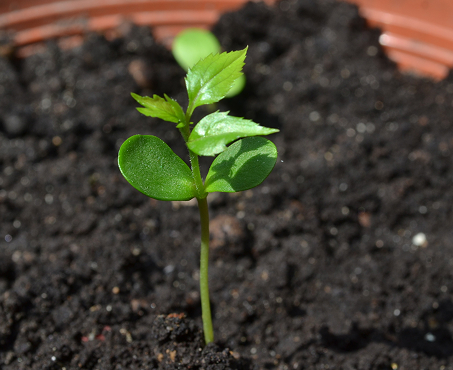
Apples have been cultivated for thousands of years, originating from the forests of Central Asia and now spread across the globe, becoming one of the most popular fruits. The apple tree is valued for its delicious fruits, cultural significance, historical relevance, and adaptability to various climates (hardiness zones 3 to 10). Its widespread is partly caused by the flexible and resilient apple tree. It can give fruits even below -30°C (-22°F). Nowadays, apple trees are cultivated in diverse climate conditions, ranging from the cold of Canada to the tropical climate of Africa. Consequently, apple trees do not always need optimum conditions to thrive. The trees are popular for adapting to their local conditions and yielding some fruits despite difficulties, provided the selection of variety is done rationally. About half of world apple production occurs in China, but apple trees are also cultivated in Australia, North and South America, Europe, North South Africa, and Japan. In the United States, apple trees are grown commercially, mainly in Washington, New York, Michigan, Pennsylvania, Virginia, California, North Carolina, Oregon, Ohio, and Idaho.
Apple trees are deciduous trees in the Rosaceae family. Most apple varieties need a temperate climate with cold winters and warm summers. For optimal growth, apple trees prefer well-drained, slightly acidic soils and a sunny location.
Apple trees usually take 2 to 10 years to start bearing fruit (usually 3-6 years), depending on whether the tree was grown from seed or grafted, and can continue until the 35th-50th year of its age. The life cycle of an apple tree consists of several stages: bud development, blooming, fruit setting, and ripening. The pollination process is crucial, as apples are not self-pollinating and rely on bees or insects to transfer pollen between flowers. This means that if there isn’t any other apple tree close (80 feet or 25 m) to your backyard, you may have to plant at least 2 trees of different varieties to harvest fruits.
It reaches an average height of 16 feet (5 meters). Standard apple trees can reach 25-35 feet (7,5 – 10 m) or even more. Semi-dwarf and dwarf trees reach 6-20 feet (2-6 m). The blossoms are produced in spring. The fruits mature on shoots that are 2 or more years old. They mature in late summer or autumn, depending on the variety and the location. There are more than 7000 known cultivars.
Apple trees require specific growing conditions to produce healthy fruits and good production. These trees prefer deep, well-drained, loamy soil, ideally with a pH of 6.0 to 7.0. Although apple trees adapt to various soil types, poor drainage can lead to root rot, stunted growth, or disease susceptibility. To ensure successful fruit production, adequate sunlight (at least 6 hours per day) and sufficient water availability (rainfall or irrigation) are essential.
Pruning is an important practice in the growing process. It shapes the tree, improves air circulation inside the tree canopy, and maximizes sunlight exposure. Regular pruning helps manage the tree’s size and balances fruit production and vegetative growth.
Reviews
There are no reviews yet.