
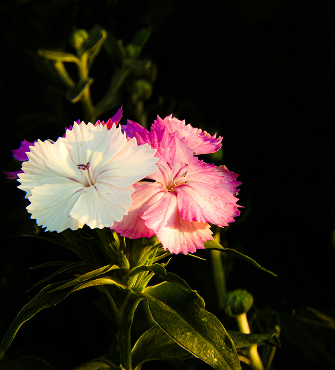
Commonly called “Pinks”, Dianthus flowers are absolute stunners as ornamental additions to gardens. Housing around 340 different types of flowering plants, the Dianthus genus does not disappoint if you’re looking for the perfect additions to your home gardens.
These species produce flowers ranging from really tiny to really tall, and they have a rather spicy aroma. The blue-green foliage of these blooming beauties makes for the perfect backdrop for their vibrant blooms.
If you’re looking to grow Dianthus flowers and enhance your flower garden, this article is definitely for you! Read on to achieve a smooth flower gardening process.
While Dianthus flowers are undoubtedly majestic and will make for captivating garden displays, if you’ve got pets, these flowers are definitely not for you! Our pets are like our babies. So, its important to know that Dianthus flowers are pretty toxic to them.
Carnations, a type of Dianthus flower, are toxic for dogs, cats, and horses. So are some other commonly seen varieties. So, remember to be careful while planting any kinds of flowering plants in your garden as your furry friends may not necessarily do well with them.
In some cases, some types of Dianthus can also be toxic to humans if consumed while others can cause dermatitis to the touch. However, when you grow them as parts of your flower garden, you can always do so safely for yourself.
The Dianthus flower, originating from Europe and Asia, has a rich history dating back to ancient times. Its name has been derived from Greek words that make its meaning, quite literally, the ‘divine flower.’
In the language of flowers, dianthus carries diverse symbolism. Red dianthus flowers symbolize deep love and affection, while purple varieties signify capriciousness. As perennial plants, they represent everlasting love and commitment which also makes them ideal for gifting on special occasions.
Reviews
There are no reviews yet.